

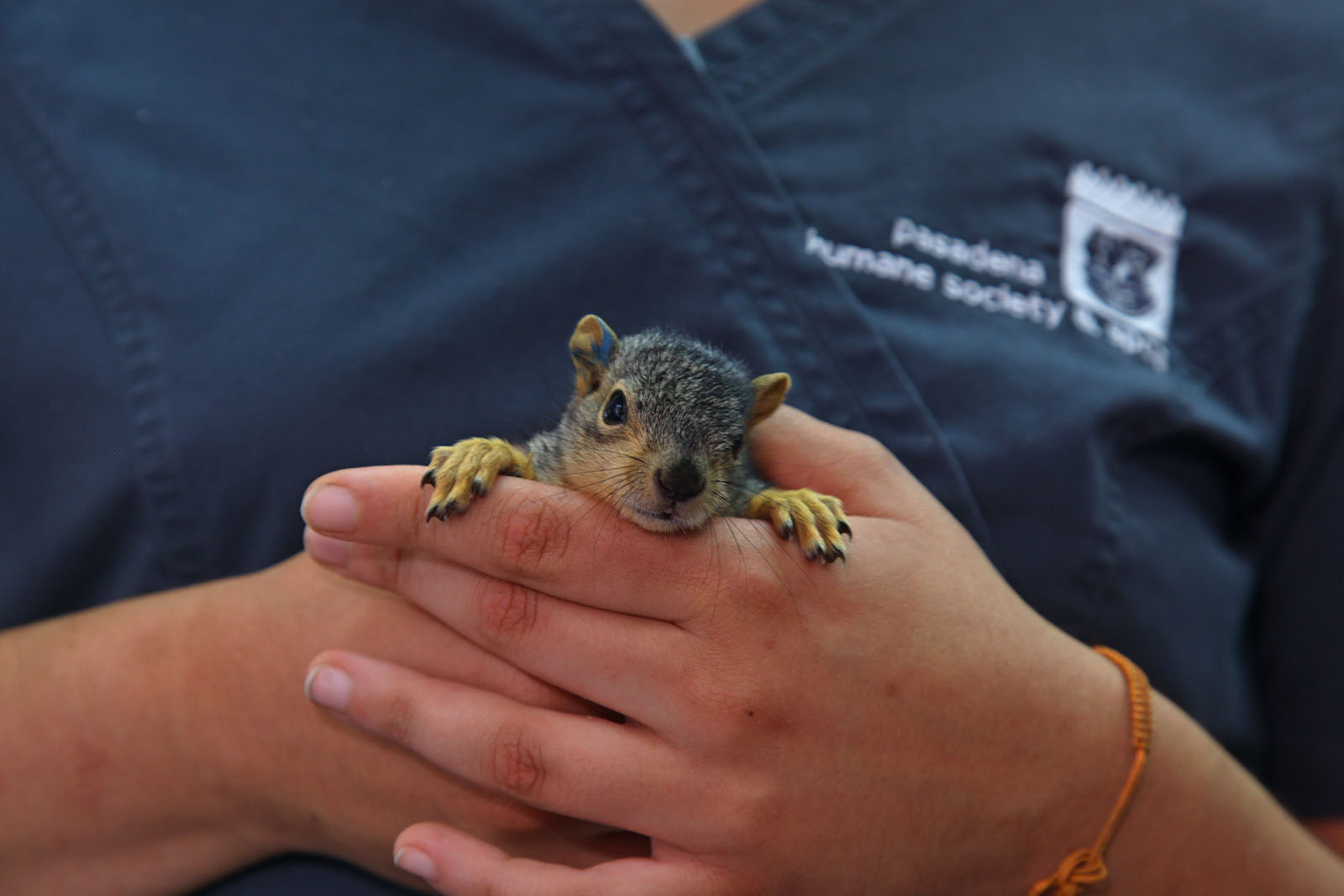
If you’ve found an injured or orphaned wild animal in the Los Angeles area, you’ve probably already discovered the first hard truth: there aren’t many places that will actually take a wild animal in. Most vets won’t touch it. Most animal shelters aren’t equipped for it. You’re left with a very short list of licensed wildlife rehabilitators covering an enormous metro area, and figuring out the right one — let alone the actual process to get the animal admitted — isn’t as simple as it should be.
This post walks through what to actually do, based on real experience getting a rescued baby opossum admitted to Pasadena Humane Society’s Wildlife Program, including the official process and some logistics that aren’t obvious until you’re standing in the parking lot trying to figure it out.
Why Pasadena Humane Society Specifically
Pasadena Humane Society operates one of the few dedicated wildlife rehabilitation programs in the greater Los Angeles area, caring for injured, sick, and orphaned wildlife with the goal of releasing them back into the wild. Because so few facilities like this exist to cover such a large population, they serve an enormous geographic area — and their facility reflects that. It’s large, taking up nearly half a city block, which makes it easy to end up in the wrong place if you don’t know exactly where you’re going.
Wildlife Admissions Are By Appointment Only
This is the single most important thing to know before you do anything else: Pasadena Humane’s wildlife admissions currently operate by appointment only. You cannot simply show up with an animal and expect immediate intake. You need to contact them first.
There’s also a geographic requirement. Wild animals must be found within Pasadena Humane’s animal control contract areas. If the animal wasn’t found within one of those areas, they will direct you to a different wildlife rehab center closer to where it was actually found.
Not every animal will be admitted either. Only sick or injured wildlife is guaranteed admission — other cases are assessed individually, so an appointment and a conversation with their team beforehand is what determines whether they can take the animal at all.
How to Actually Contact Them
Pasadena Humane offers a few specific contact paths depending on the situation:
If you’re unsure of the animal’s age or condition, text a photo and description to their Wildlife Helpline at 626-344-1129, available between 9:30am and 5:30pm. This isn’t an emergency line, so response times can take a bit, but this is the right first step for most situations.
If the animal is obviously sick or injured — visible bleeding, dragging limbs, open wounds, or neurological symptoms like circling or head twitching — call or text that same number, 626-344-1129, with text being the preferred method.
If you’ve found a baby animal, Pasadena Humane specifically asks that you first attempt to reunite the baby with its parent before considering admission, since staying with a parent gives young wildlife a significantly higher chance of survival. They have a baby animal flow chart on their site to help you figure out whether reuniting is realistic for the specific situation you’re in.
Finding the Actual Wildlife Intake Location
Once you’ve made contact and confirmed the animal can be admitted, getting to the correct physical location is its own challenge. The wildlife intake area is not accessible from the main Raymond Avenue entrance, and it’s not the same as the main shelter office.
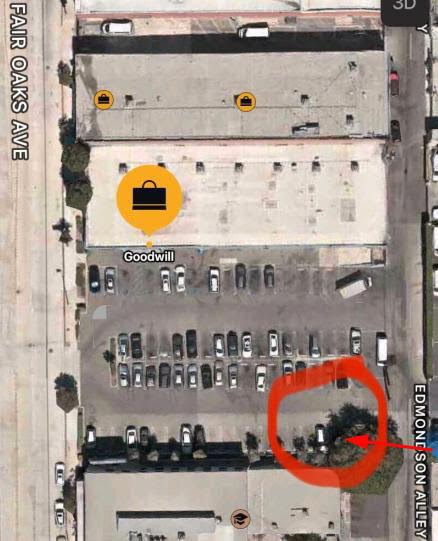
The actual wildlife drop-off is located behind the building on the small side street called Edmondson Alley — not on Fair Oaks Avenue, and not through the front entrance. There’s a dedicated parking lot back there with a sign reading “Reserved — Pasadena Humane — Wildlife Center Parking Only — Please Text 626.344.1129 on Arrival.”
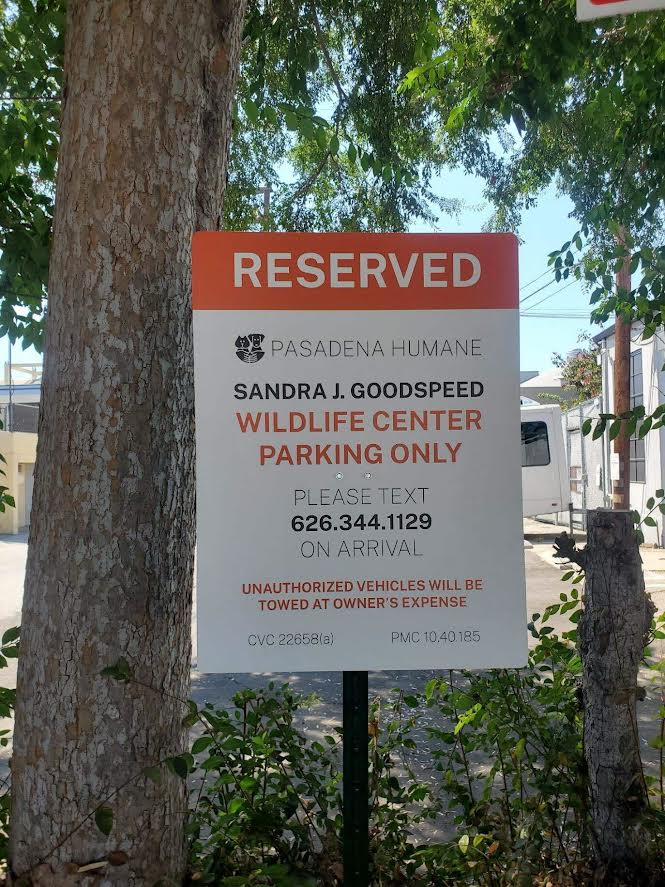
Because the facility is so large, staff and volunteers near the main building often don’t handle wildlife intake as part of their regular role, and can end up sending you in the wrong direction even while genuinely trying to help. That’s exactly what happened during my own delivery — I first parked at the underground parking structure near the main building and asked for directions, and was walked to the front main office instead of the wildlife entrance. It wasn’t until I drove back out to Raymond Avenue and circled around to Edmondson Alley that I found the correct lot and signage.
Why Contacting Them in Advance Matters
Once I texted the number posted at the correct wildlife parking lot, the response was immediate and the handoff was smooth. The difference was that the animal’s original rescuer had already contacted Pasadena Humane’s wildlife team directly and confirmed intake before I ever arrived to transport it — exactly the appointment-based process their program requires.
Showing up without that advance contact means risking exactly what I experienced on the front end: being redirected to the wrong entrance and losing time in a situation where time often matters for the animal’s condition.
Step-by-Step: What Actually Works
Text a photo and description of the animal to Pasadena Humane’s Wildlife Helpline at 626-344-1129 first. Confirm whether the animal was found within their service area, and whether they can accept it for admission.
If it’s a baby animal, ask about reunification with the parent before proceeding to admission, per their standard process.
Once intake is confirmed, ask specifically for instructions on where to go, since the entrance is not the main building.
When you arrive, skip the underground parking structure and the front office on Raymond Avenue. Go directly to Edmondson Alley behind the building, where the dedicated wildlife center parking lot is located.
Text the number posted on the wildlife parking sign upon arrival, as instructed.
Keep the animal contained in a dark, quiet, secure box throughout the process, minimizing handling as much as possible.
Other Wildlife Resources in the Los Angeles Area
Pasadena Humane is a strong option for many common species, but their geographic contract area and by-appointment process mean they’re not always the right fit depending on where the animal was found. California Wildlife Center in Malibu serves the Westside and San Fernando Valley. Wildlife Care of Southern California covers the Inland Empire and eastern Los Angeles County. If you’re unsure which facility covers your specific location, contacting Pasadena Humane’s helpline first is a reasonable starting point, since they’ll redirect you if the animal falls outside their service area.
If You Can’t Make the Trip Yourself
Not everyone who finds a wild animal in need of help has a car, the ability to leave work, or the means to navigate an appointment-based intake process and an unfamiliar back-alley parking situation on their own. This is exactly the kind of situation I built Pets Go Taxi to help with. I recently transported a baby opossum from Huntington Park to Pasadena Humane Society’s Wildlife Program on behalf of someone who had already confirmed intake but didn’t have a car to complete the trip.
If you’ve found an injured or orphaned wild animal in the Los Angeles area, confirmed intake with a licensed rehabilitator, and need help getting them there, text me directly or fill out the contact form and I’ll help however I can.
The Bigger Picture
Wildlife rescue in a city as large as Los Angeles involves more process than most people expect — an appointment system, geographic restrictions, and a physical intake location that isn’t where you’d assume. Knowing the official process before you go, confirming admission ahead of time, and knowing exactly where to park once you arrive is the difference between a smooth handoff and a frustrating, time-consuming ordeal.
If you take one thing away from this post, let it be this: contact Pasadena Humane’s Wildlife Helpline first, confirm your animal qualifies for admission, and don’t assume the front entrance is where you need to be. It isn’t.