

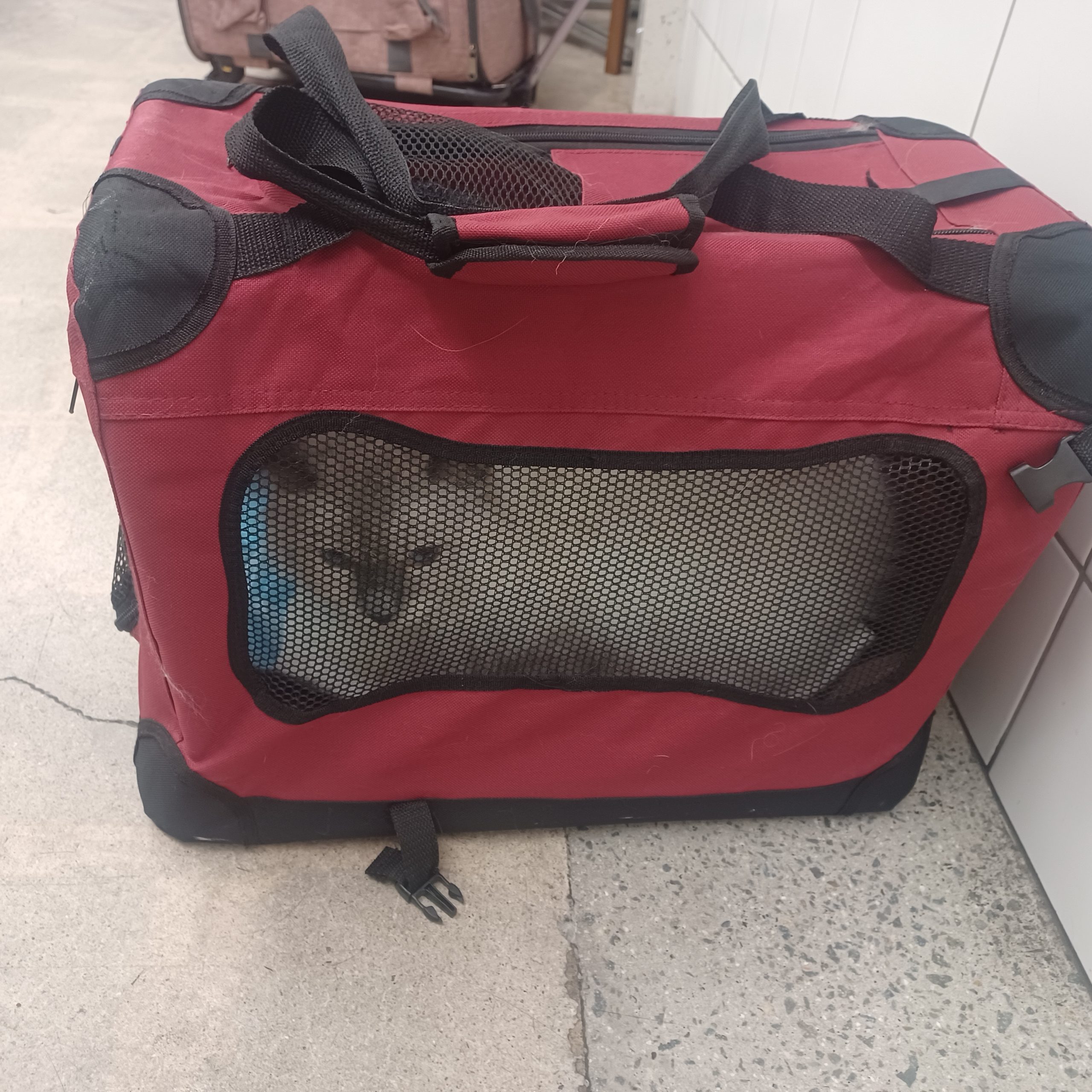
When an emergency vet sends your pet to a specialty hospital across the county, one question rarely has an answer: how does the pet actually get there? If you’re recovering from surgery, can’t drive, or can’t leave, a pet taxi can move your pet from one hospital to the next. I run Pets Go Taxi in Los Angeles. Here is how a recent transfer from VMSG, an emergency vet hospital in Ventura, to ACCESS Pasadena, a 24-hour emergency and specialty animal hospital, went, including what went wrong and what I’d tell any owner.
The Call
A client called and said her cat needed to go from VMSG, an emergency vet hospital in Ventura, to ACCESS Pasadena, a 24-hour emergency and specialty animal hospital, for a blood transfusion. The cat, Luke, was a small white ragdoll who weighed about ten pounds. She had just had surgery herself and couldn’t make the drive. In our short conversation she seemed worried only about him.
I didn’t wait. I sent her my service agreement and release of liability, and as soon as it was signed and payment came in, I packed my files and left for Ventura. When I picked Luke up, he honestly looked fine to me. That’s worth remembering: you can’t tell from looking at a cat how sick he is. The hospital team knew better.
Getting the Cat Released in Ventura
Hospitals won’t hand a patient to a stranger without the owner’s consent. When I arrived at VMSG, the staff tried to call my client, and so did I.

She didn’t pick up, which isn’t surprising for someone recovering from surgery. What saved us was the second phone number she had left with the hospital, her daughter’s. Once the daughter gave consent, the staff needed nothing from me except my name.
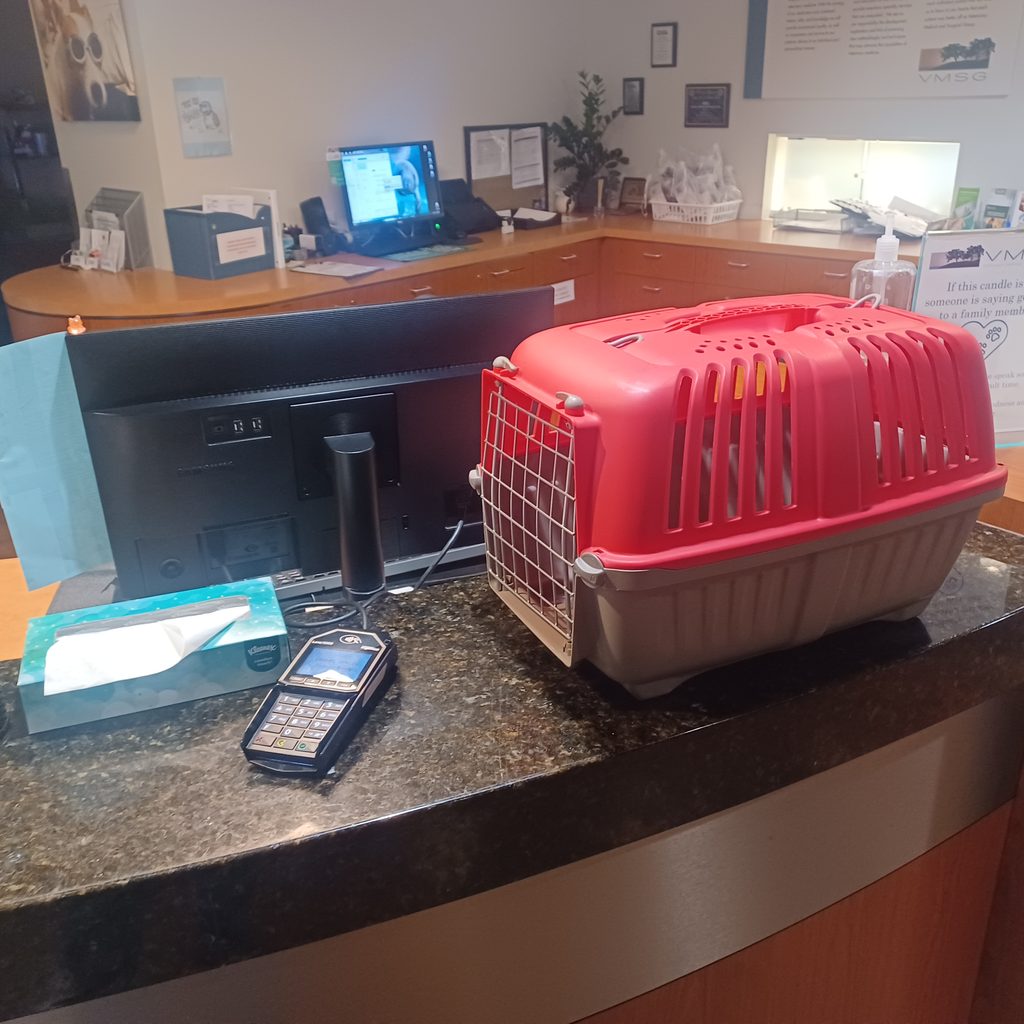
They handed me Luke’s medical records, lab work, a radiology report, his food, and the sturdy soft-sided carrier his owner had dropped off with him. I had brought two carriers of my own in case, but a familiar carrier is easier on a sick cat, so we used hers.
The Drive
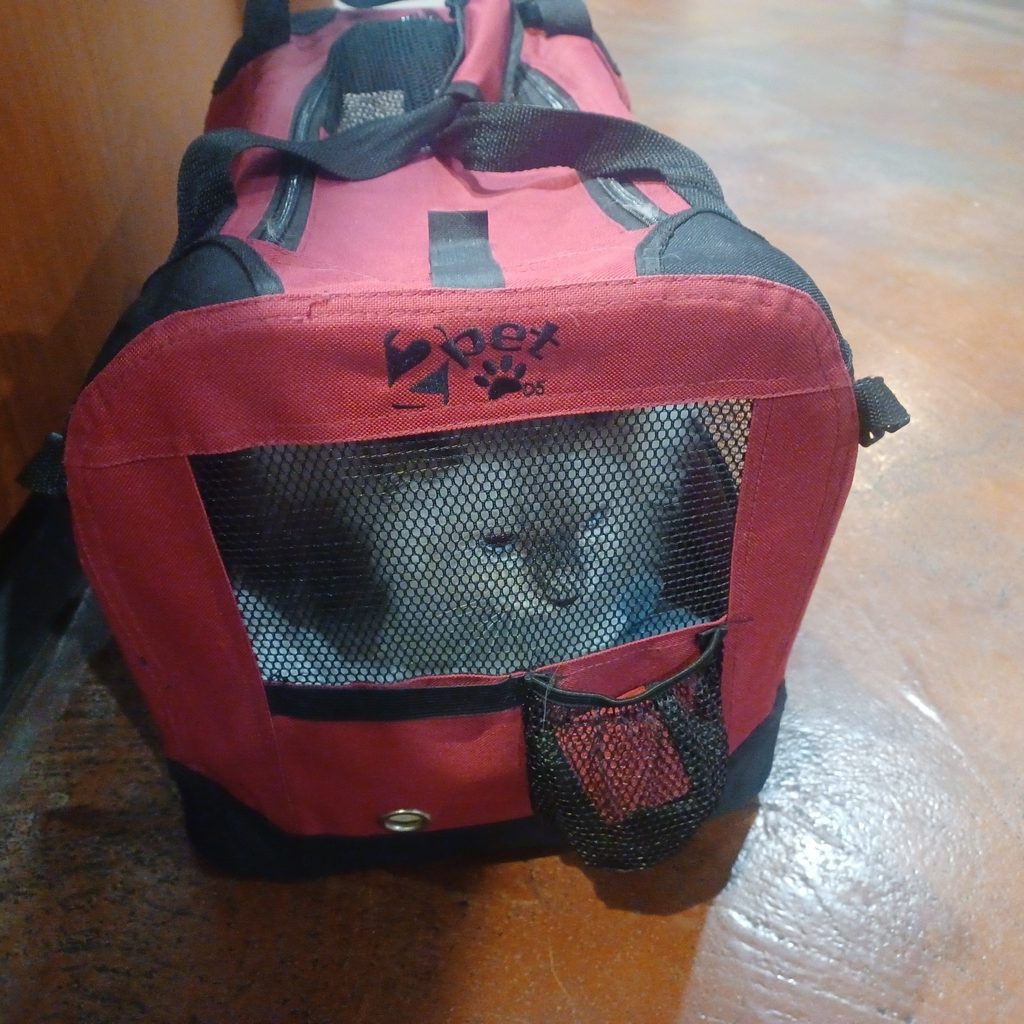
I left around six in the evening. There was no traffic. Luke rode on the passenger seat, quiet, staring at me through the mesh as if asking whether he was going to be okay.
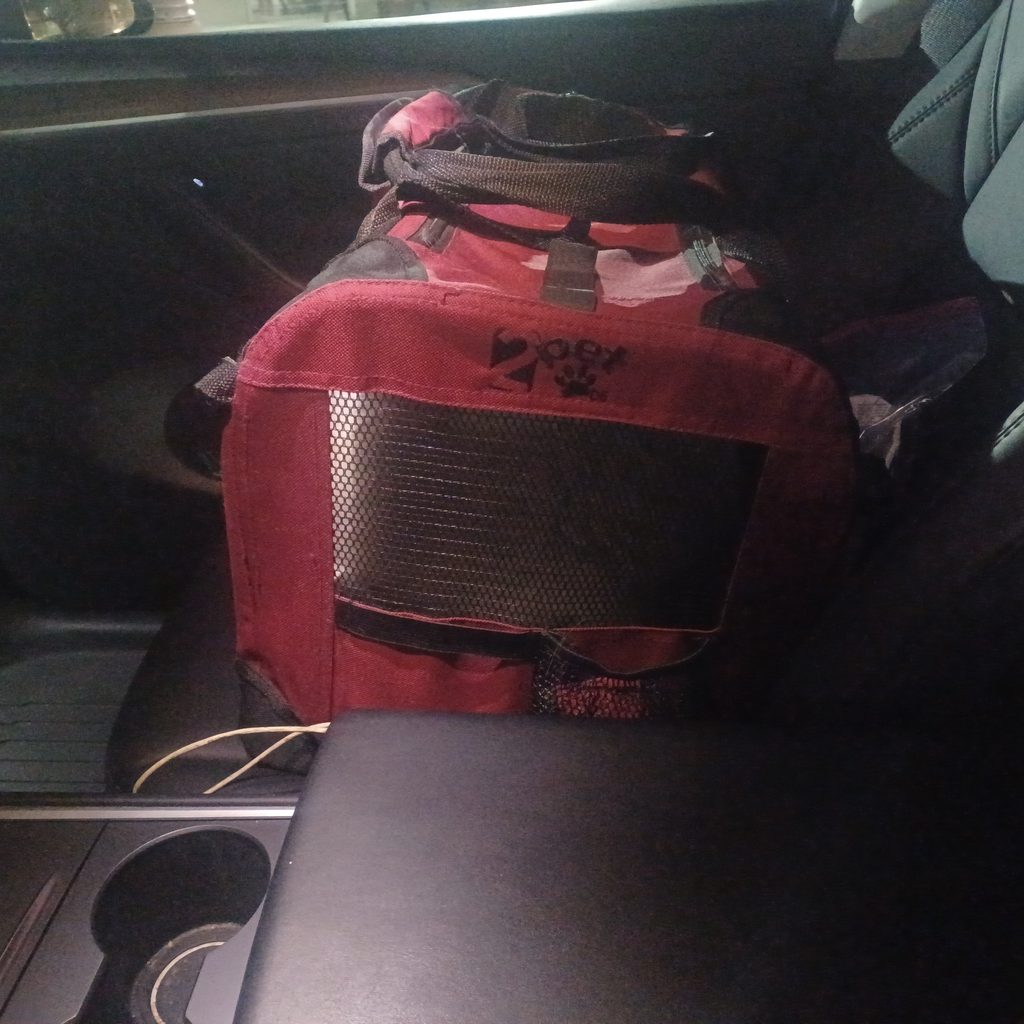
I played classical music instead of my usual playlist and kept the car comfortable, not too hot and not too cold, since a cat in a carrier warms up quickly. I rested my hand on top of the carrier for the whole drive as extra reassurance.
I drive gently with any animal on board, and even more so with a sick one. Smooth braking and no sudden moves matter, and I still got there on time.
The Problem at the Pasadena Hospital
Here is the part nobody warns you about. When I got to ACCESS Pasadena, the front desk had no record of Luke or of me.

They checked their messages, their chat files, and everything else they could find. After 15 to 20 minutes, we called my client. No answer. We called the Ventura hospital for the backup number and reached the daughter.
When I spoke with her, I found she thought I was calling to be released from the job. I told her the opposite: I wasn’t going anywhere, and I would stay as long as it took because Luke was my responsibility. She was visibly relieved to hear it, and the misunderstanding was cleared up.
After about 30 minutes, the hospital found Luke’s information through another department. It’s a large hospital, and the message hadn’t reached the front entrance. Once they had it, a nurse came down, took the carrier, and brought Luke straight in.
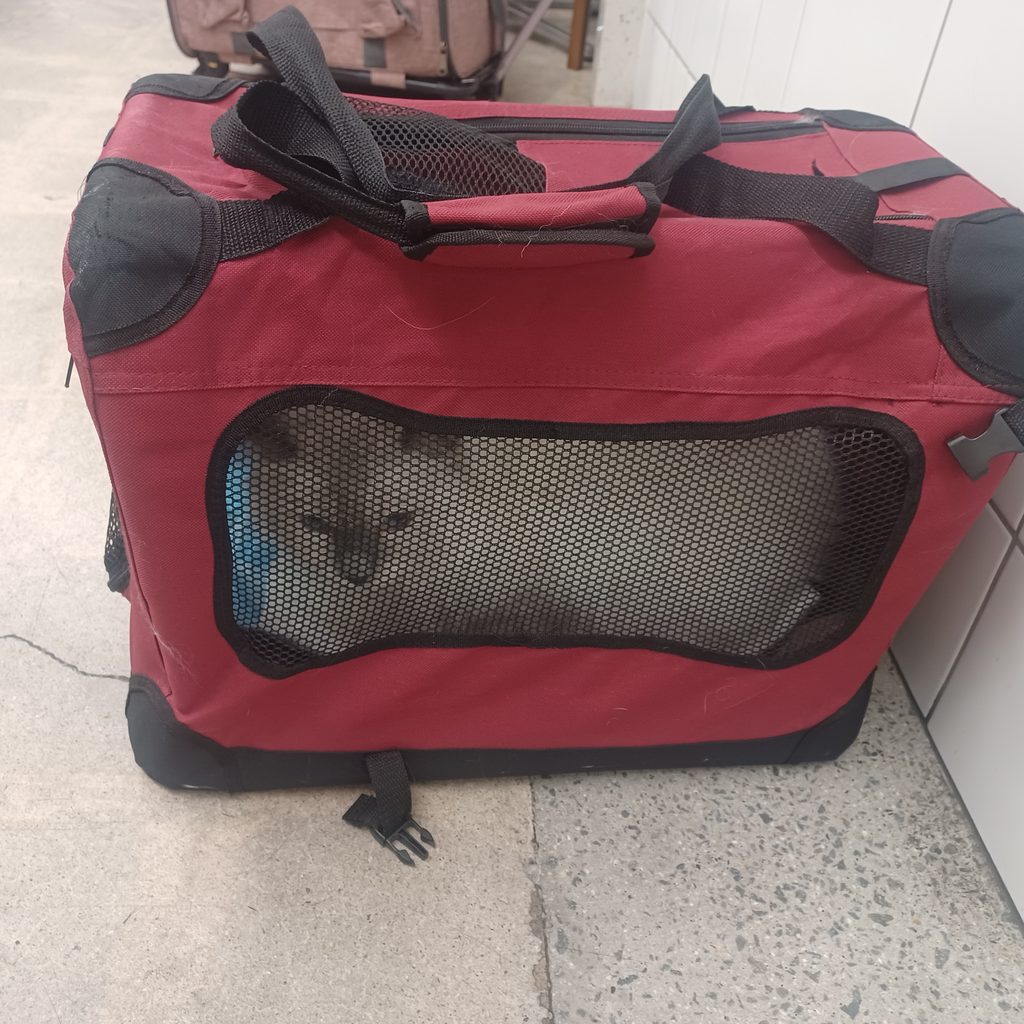
I handed over the records and the radiology report. I stayed calm the whole time, because arguing at the front desk wouldn’t have helped Luke.
What Owners Can Do to Make a Hospital-to-Hospital Transfer Smoother
My client did everything right. The breakdown happened between departments inside a hospital. But there are things you can control:
- Call both hospitals and confirm the transfer is arranged. Ask the receiving hospital to tell the front desk the driver’s name and when to expect them.
- Give a second phone number, and make sure that person can answer. Hospitals need consent to release a pet to a driver.
- Keep your phone on and nearby for the whole trip. In an emergency, a driver who can’t reach anyone has nowhere to turn.
- Send the records with the pet, or make sure the sending hospital forwards them. Lab work and imaging should arrive with the patient.
- Use a secure, familiar carrier, and have a spare just in case.
- Sign the agreement and arrange payment before pickup so the driver can leave right away.
What a Pet Taxi Can and Can’t Do
A pet taxi is a ride, not a medical service. I don’t give medication or treatment, and if your pet is in critical condition, ask the hospital whether it recommends its own transport. What I can do is move fast, drive carefully, and get your pet to the right door with the right paperwork when you can’t be there yourself.
After the Ride
The job was finished and paid for. But the next day I texted my client to ask how she and Luke were doing. She shared an update, and I told her I was there to listen and would help again if anything came up. That follow-up isn’t part of the fare. I do it because I care about the animals I drive.
Need a Pet Moved Between Hospitals?
If your pet needs a ride between emergency or specialty vet hospitals in Ventura, Pasadena, or anywhere in Los Angeles, contact Pets Go Taxi with the pickup and drop-off locations and your pet’s details. You’ll get a quote before anything is booked.