

Some dogs are fine everywhere except the vet, and some services will not take them at all once "reactive" is in the notes. So the owner is left wrestling a frightened, lunging, eighty-pound dog into a small car, arriving at the clinic already stressed, with the hardest part of the visit, the car, still to survive on the way home. The visit matters too much to skip, and the dog is not bad. He is scared, and the ride is where that fear starts.
Key Takeaways
- Reactivity at the vet is usually fear, not defiance, and punishment-based handling makes it worse, not safer.
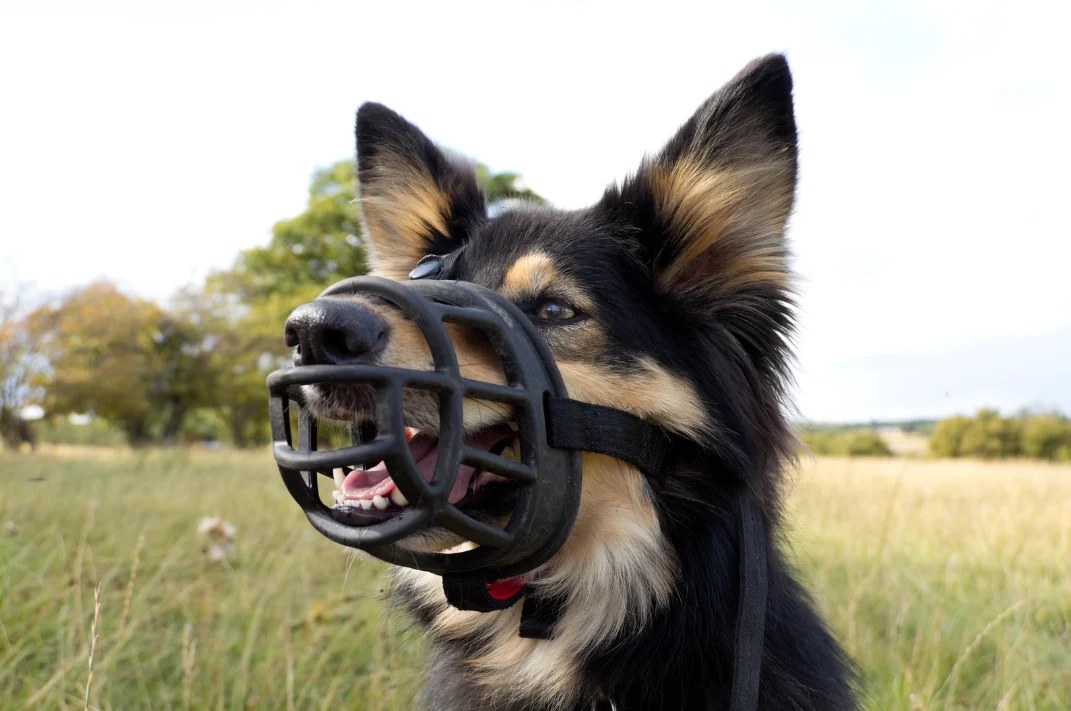
- A basket muzzle your dog is trained to wear happily removes the bite risk without closing his mouth or adding panic.
- One-pet-at-a-time transport, waiting in the vehicle, and a direct route into the clinic cut most of the triggers before they happen.
- Tell the clinic and the driver the truth about your dog ahead of time; a planned arrival is a calm arrival.
Table of Contents
- [Why reactive dogs get refused, and why that backfires](#why-reactive-dogs-get-refused-and-why-that-backfires)
- [The muzzle is a seatbelt, not a punishment](#the-muzzle-is-a-seatbelt-not-a-punishment)
- [A ride built around one dog](#a-ride-built-around-one-dog)
- [Working with your clinic, not around it](#working-with-your-clinic-not-around-it)
- [Frequently asked questions](#frequently-asked-questions)
Why reactive dogs get refused, and why that backfires
Group transport runs on a schedule and a shared space. A dog who barks, lunges, or snaps at strangers and other dogs breaks that model, so services decline him, and the owner starts skipping appointments. The behavior guidance is clear about what sits underneath most of it. The ASPCA guide to dog aggression explains that dogs lash out when they feel threatened, afraid, or frustrated, and that pain can drive the same behavior. Skipping the vet means the painful ear, tooth, or joint never gets found, and the next visit is worse.
It also matters how the fear is handled. The AVSAB position statement on humane training states that evidence supports reward-based methods for all dog training, including behavior problems, and that aversive methods damage both welfare and the bond with the owner. A ride that corners, drags, or overwhelms a reactive dog teaches him that the car to the vet is exactly as dangerous as he feared. The calmer pattern used for dogs with car anxiety applies here too: lower the pressure, and the dog can cope.
Read the dog before the ride
Learn the early signals and you can intervene before the explosion: lip licking, yawning, looking away, a tucked tail, hackles up, freezing. The handout on aggression at the vet from Every Dog Austin walks owners through exactly these signs and makes the practical point that advocacy starts before the clinic, including telling staff the dog will wait in the car until the team is ready. That one change, no crowded waiting room, removes the most common trigger stack: strange dogs, strange people, slippery floors, and nowhere to go.
The muzzle is a seatbelt, not a punishment
For a dog with a bite history, a basket muzzle is what makes the ride and the visit possible at all. The right muzzle matters: as the Every Dog Austin guidance puts it, a correctly fitted basket muzzle lets a dog fully open his mouth to pant, drink water, and take treats, while a muzzle that holds the mouth closed adds stress and interferes with breathing and cooling. Train it at home, in short, treat-filled sessions, on days when nothing is happening, so the muzzle predicts snacks rather than the vet.
Handled this way, the muzzle protects everyone, including the dog. A muzzled dog gets examined instead of turned away, and a driver and a vet team who are not worried about a bite handle him more calmly, which he can feel. The AVSAB publishes its position statements for owners as well as veterinarians, and its humane-handling line is consistent: management, behavior modification, and, where a veterinarian judges it appropriate, medication, never force as the plan. If your dog is a breed people judge on sight, you will recognize the pattern in transporting a pit bull safely; the dog's actual behavior plan matters more than the label.
A ride built around one dog
Everything about a reactive dog's transport should subtract triggers. One dog in the vehicle, never a shared run. A direct route, with the dog loaded at home where he is most himself, not carried through a lobby or a parking lot full of other patients. Space to lie down or sit without being crowded, a secure harness or barrier so he is not loose at the door, and a driver who has been told, in advance, what this dog does and does not do.
That is how Pets Go Taxi runs every ride, and it is why reactive and nervous dogs are a normal booking here rather than a refusal. I drive the Suburban myself, your dog is the only animal in it, and we wait in the vehicle until the clinic is ready for you, then go straight in. There is a fuller comparison of what shared and rideshare options can and cannot do in pet taxi vs Uber Pet. Local rides start at $100; booking is through the contact page, and telling me honestly that your dog is reactive is the most useful thing you can put in that message.
Working with your clinic, not around it
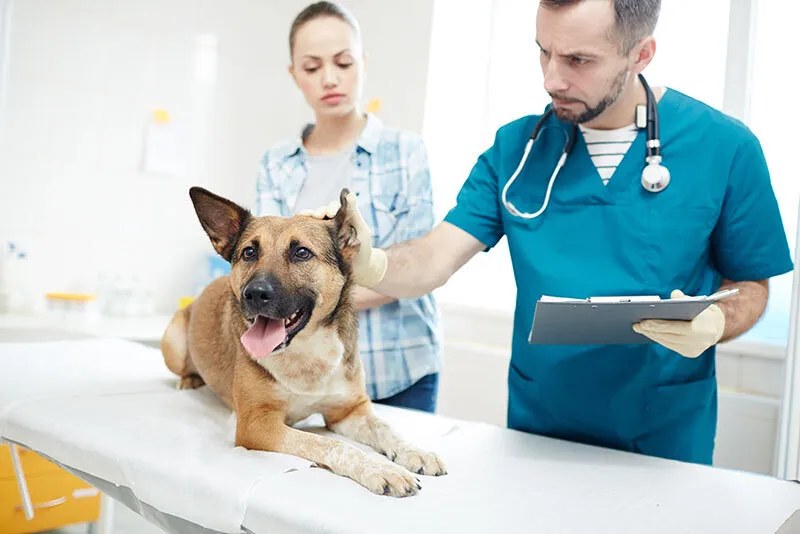
Call the clinic before the appointment and say the words plainly: my dog is reactive, here is what he does, here is what helps. Ask about waiting in the car, entering through a side door, and the quietest appointment slots. Ask, too, whether pre-visit medication is right for your dog. The Fear Free approach used by many clinics includes pre-visit sedatives or anti-anxiety medication where appropriate, treats and pheromones in the room, and performing the exam wherever the pet is most comfortable. Petco's veterinary guidance gives the same advice to owners of aggressive dogs: discuss a plan with the vet in advance, train the muzzle at home, and consider prescribed medication before the visit rather than white-knuckling it.
None of this makes a reactive dog into a different dog. It makes the necessary thing, veterinary care, happen on a day that neither of you dreads. And each calm visit is training data for the dog: the car, the muzzle, and the clinic predicted a manageable experience, so the next one starts from a better place. That is the long game the AVSAB reward-based guidance is pointing at, applied to transport.
Our view: A reactive dog is not a problem booking to me; he is the booking I plan best for, because I know exactly what he needs: space, quiet, honesty from his owner, and no surprises. The dogs who get refused elsewhere are usually the dogs who most need to see a vet. Bring me the hard ones. We will get there calmly, one dog at a time. — Brian Ka, Pets Go Taxi
Frequently asked questions
Will you really take a dog who has bitten or tried to bite?
Yes, with a plan: tell me the history when you book, have your dog trained to a fitted basket muzzle, and we will coordinate the arrival with your clinic. Honesty up front is what makes it safe.
Should my dog wear a muzzle for the whole ride?
If he has a bite history, yes, a basket muzzle he already knows from home training. He can pant, drink, and take treats through it, so a calm ride in a muzzle is not a hardship.
Can I ride along with my dog?
In most cases, yes, and for a nervous dog an owner's calm presence helps. Tell me when you book and we will set the vehicle up for both of you.
What if my dog panics in any car?
Tell me before the day. We can talk through a short practice pattern, your vet can advise on pre-visit medication, and we will keep the first trip as short and quiet as the appointment allows.
Sources
- ASPCA guide to dog aggression
- AVSAB on reward-based training
- AVSAB position statements
- Every Dog Austin: aggression at the vet
- Fear Free veterinary care
- Petco: aggressive dog vet visits